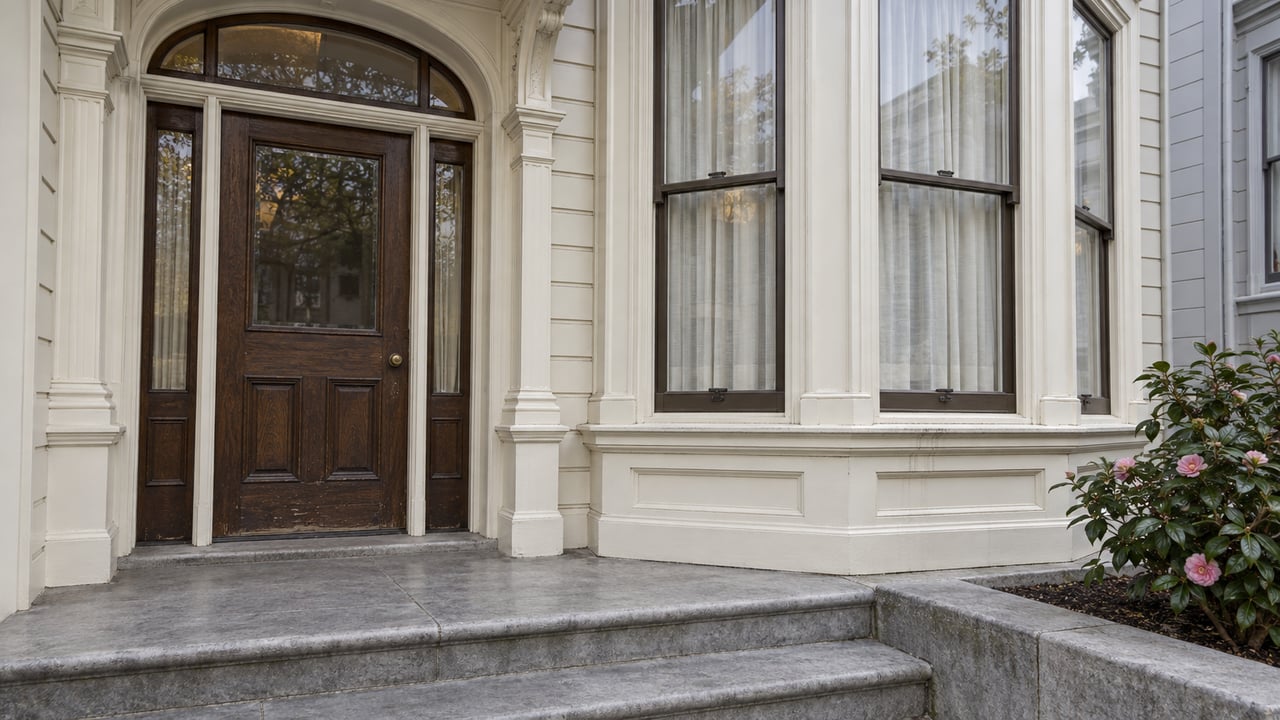
When Mayor Daniel Lurie declared a rent emergency in September, ABC7 interviewed Patrick Boulton, a Pacific Heights renter. He said he pays $4,800 a month for a rent-controlled two-bedroom, two-bath, and that friends who are signing leases now pay "six, seven" thousand in Mission Bay. "It's gone crazy," he told the station.
His experience shows how Pacific Heights rents actually work. A neighborhood has two rents. One is what long-term tenants pay, and it rises slowly under city rules. The other is what a vacant unit asks, and that number has been rising faster than in almost any other big city in the country. If you're relocating, you only ever see the second one. And the distance between the two is the main reason so few apartments come open.
Older buildings and rent control in Pacific Heights
In September, the San Francisco Standard reported on a high school junior who mapped about 463,000 Rent Board records, including tenant complaints, landlords' annual disclosures and move-out notices. His map showed almost no link between neighborhood income and Rent Board activity. It also found that Pacific Heights and the Marina have some of the city's highest concentrations of rent-controlled units.
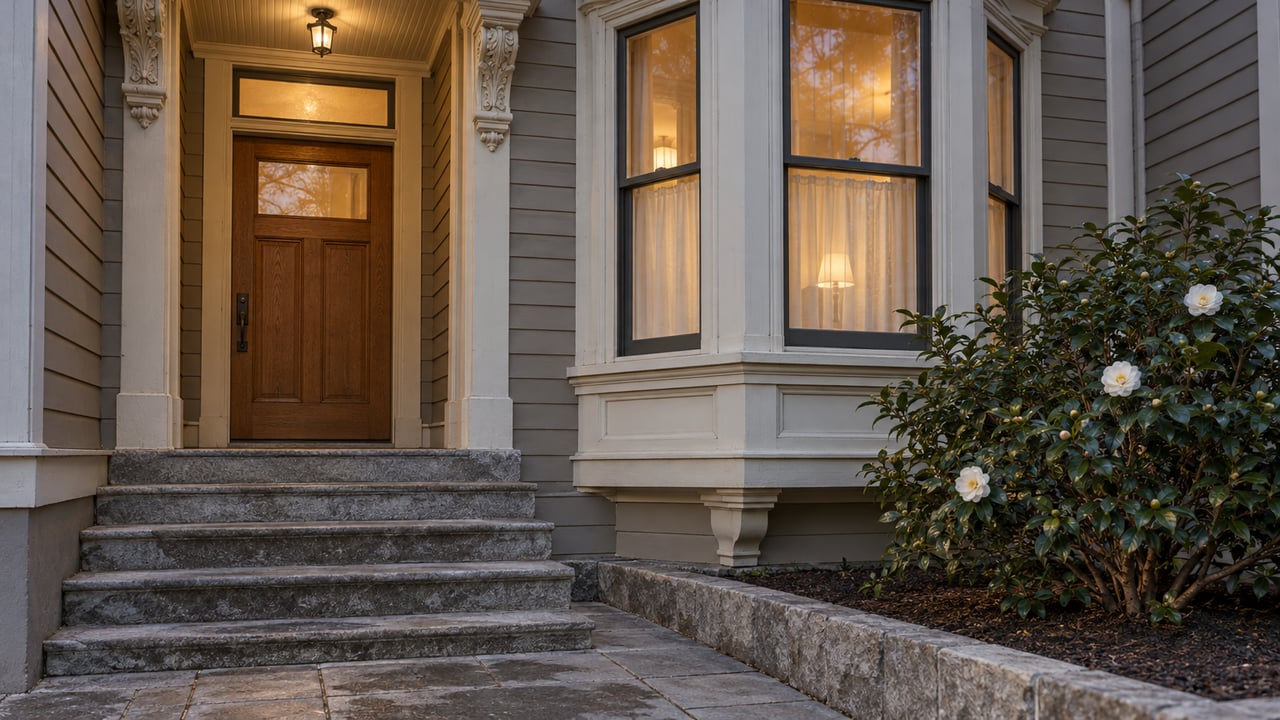
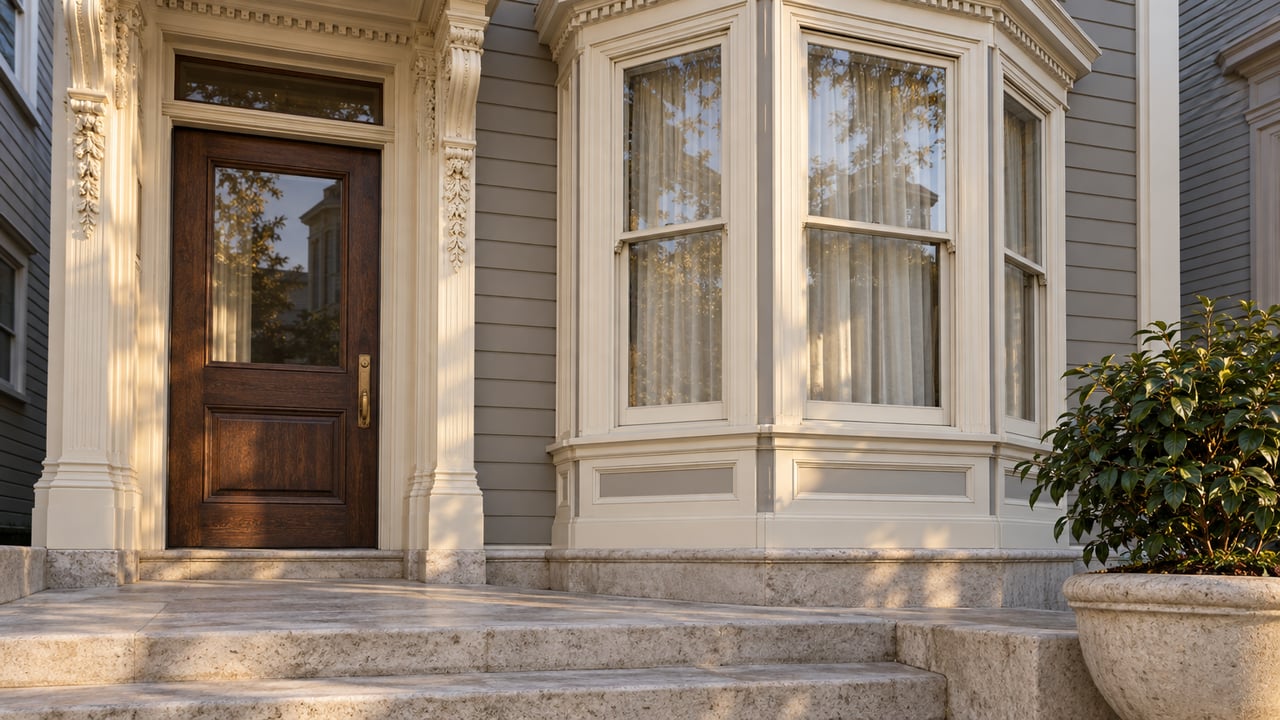
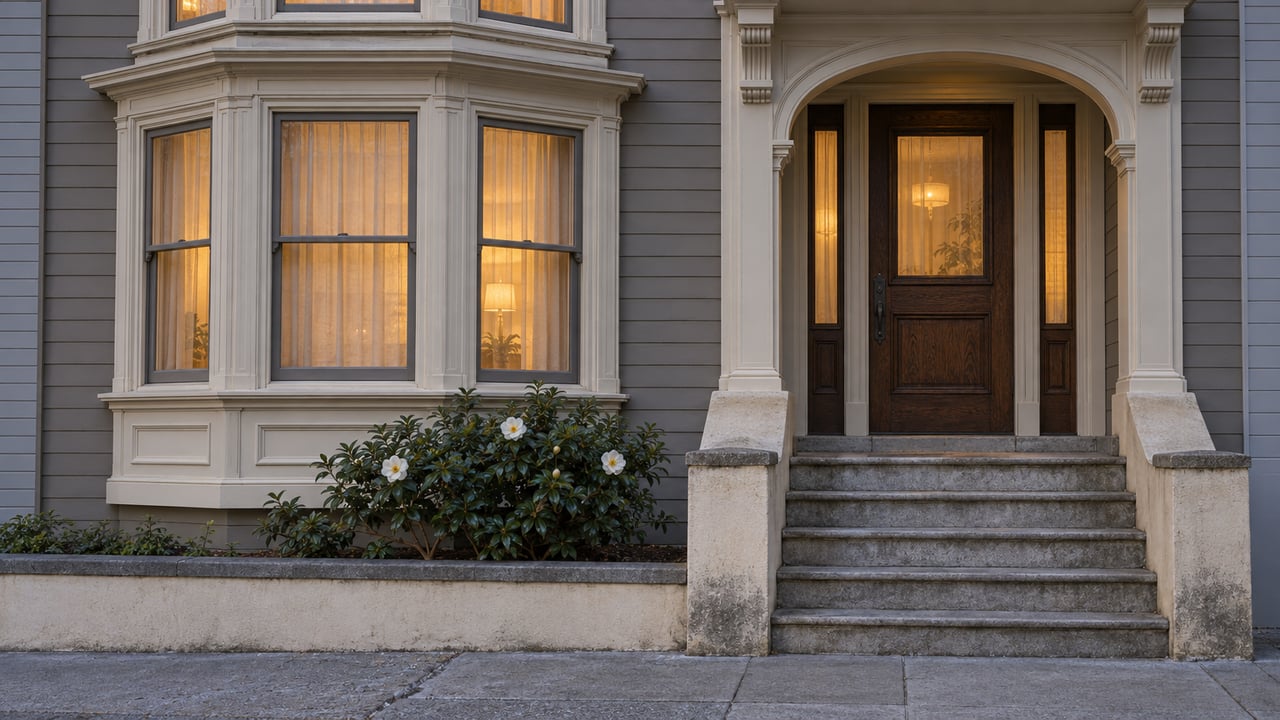
The reason is the housing stock. San Francisco's rent ordinance covers many units in buildings built on or before June 13, 1979, as SF.gov's rental law overview explains. The older apartment buildings along Pacific Heights' streets fit that description. The city has no official map of rent-controlled homes, and the Standard noted that counting every pre-1979 apartment building overstates the total, because some of those units are no longer rented. Even so, the Rent Board records point the same way. Much of this neighborhood's rental housing is covered by the ordinance.
How far apart the two rents have moved
The Rent Board's allowable annual increase is 1.6% for March 1, 2026 through February 28, 2027, according to SF.gov.
New leases have been moving at a very different pace:
- Citywide median rent was up 25.7% over the prior year, according to Apartment List data cited by EL PAÍS on October 22.
- Typical October asking rents were $3,915 for a one-bedroom and $4,640 for a two-bedroom citywide, with 2.6% of apartments vacant, according to the Standard's October 11 report citing Apartment List.
- Free-rent offers have mostly disappeared. In September 2026, only 1.2% of San Francisco properties on Apartment List offered at least a month free, down from 13% at the start of 2025, the San Francisco Chronicle reported. That data mostly covers larger, professionally managed buildings.
Here's what that means in dollars. On a $4,800 rent, a 1.6% increase adds about $77 a month. If the same unit came back on the market and moved with the citywide figure, its rent would rise by about $1,230.
A gap that size keeps vacancies scarce
That difference costs a sitting tenant a lot to give up. Leaving means paying today's market rent somewhere else.
The Chronicle's August analysis of buyout data found that new buyout negotiations in San Francisco have climbed back to pre-pandemic levels. It also found the current wave is driven by wealthier areas, including Pacific Heights. San Francisco tenant attorney Joshua Ezrin told the paper he has seen more buyouts in Pacific Heights, the Marina and the Richmond. He linked them to AI-boom wealth competing for high-end rentals. Rent Board data put the median buyout from January to May at about $50,000.
New construction isn't adding many units to offset this. CoStar counted fewer than 1,000 market-rate apartment units breaking ground across the metro in the 12 months before July, according to the Standard. So tenants have reasons to stay, owners have reasons to pay them to leave, and builders are adding little. A vacancy that does reach the market shows up in a tight market. Its asking rent reflects how scarce it is, and it says much less about what the building or the block typically costs.
At the top of the market, the Standard reported in July that 2998 Pacific Ave., a six-bedroom house near the Lyon Street steps, was asking $55,000 a month. That's an extreme example of how far house rents can go.
Winning a lease when vacancies are this scarce
Because so few units come open, how you approach an owner can matter more than the size of your offer. The leasing professionals interviewed by the Standard in October described several approaches that fit how this neighborhood leases, where many rentals are condos and flats rented by their individual owners.
"A move-in date or term length that fits the owner's plans can outweigh a stronger offer elsewhere."
Shalini Sadda, leasing agent, in the Standard
- Match the owner's timeline. Sadda described a two-bedroom condo that went to an applicant who wasn't the strongest on paper. He was flexible on the start date and offered his father as a guarantor.
- Apply only where you would actually live. Leasing agent James Wavro asked renters to be organized and upfront about their qualifications. He also asked them to say specifically why a unit fits them, rather than requesting applications for places they don't really want.
- Look at listings that have been up a while. David Chesnosky of Rentals Inc. said an owner who has spent a few weeks trying to rent a unit may be more flexible on move-in dates or terms than one with a brand-new listing.
- Use the season if your timing allows. Apartment List's Rob Warnock said November is usually the slowest month for rentals, followed by December. He also noted that San Francisco rents have risen in some past Octobers, Novembers and Decembers, and the market usually picks up again by January.
On October 20, the Board of Supervisors unanimously approved the "No Hidden Rent" measure, according to Mission Local. The measure addresses recurring fees in advertised and lease costs. Mission Local's coverage didn't give an effective date.
A furnished home can also give you time to search. The Standard profiled a family returning to the city this summer. They were living in a short-term furnished rental while competing for a longer lease, in a market where some underpriced listings drew more than 30 people bidding up the rent and others were gone within hours. Having a place to live while you search means you can wait for a unit that fits, rather than taking the first one available.
Questions relocating renters ask
Why do Pacific Heights listings look so much higher than what neighbors pay?
The Rent Board's allowable annual increase is 1.6% for March 1, 2026 through February 28, 2027. Citywide market rents have climbed about a quarter over the past year. Listings show current asking rents.
Is there any sign of the market easing?
The Standard reported that Apartment List's Warnock sees rent growth slowing and vacancy up slightly from summer. He expects demand to soften through November and December, and he has also seen San Francisco rents rise during those months in past years.
If you're moving to San Francisco while Pacific Heights vacancies are this scarce, a furnished home can give you time to choose the right lease without being rushed. Home 2 San Francisco arranges furnished stays for relocation and interim housing, and Pamela Kelley can talk you through the Pacific Heights blocks, building types and lease timing that suit your move while you search from a comfortable home base.